In an era of conscious consumerism and supply chain disruption, the power of local flowers sourcing is reshaping how retail and manufacturing executives think about product strategy. Nowhere is this more evident than in the floral industry.
Locally-grown flowers don’t just offer aesthetic appeal—they carry powerful narratives about sustainability, community, and authenticity. For retailers and merchandisers looking to differentiate their in-store experience, emphasizing local flowers is both a strategic and emotional play.
This article explores the advantages of promoting locally-sourced blooms, how storytelling can transform buyer behavior, and best practices for display techniques that spotlight regional growers. For those managing merchandising or overseeing retail operations, leveraging this approach can boost customer engagement, reduce logistics complexity, and position your brand at the intersection of modern values and traditional beauty.
Why Promote Locally-Grown Flowers?
Locally-sourced flowers mean shorter travel distances, resulting in fresher products and a significantly reduced carbon footprint. Compared to imported flowers that may travel thousands of miles, local blooms support a more sustainable supply chain. This also reduces the dependency on international logistics, which has become increasingly volatile due to global disruptions.
Build partnerships with regional flower farms and integrate them into your supplier mix. This creates a more agile and resilient supply chain while demonstrating your brand’s commitment to sustainability.
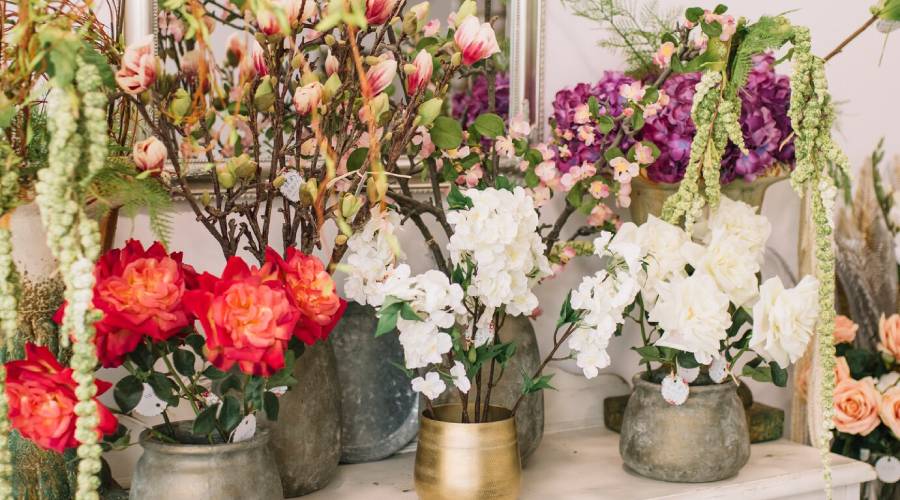
Economic Support and Community Engagement
Promoting local products strengthens regional economies. When flower retailers support nearby growers, they fuel a loop of economic activity that keeps communities thriving. It also establishes authenticity in your brand narrative—customers love knowing where their products come from.
Feature a “Meet the Grower” section in your shop or on your website, profiling local farmers and their stories. This builds transparency and deepens trust with your customers.
Connecting Customers to the Source
Consumers are increasingly drawn to stories—especially those rooted in community, tradition, and craftsmanship. A bouquet becomes more than a product when it’s tied to a family-owned farm or an eco-conscious cultivation method.
Use in-store signage and digital touchpoints to share the journey of your flowers. QR codes can lead to video interviews, photo galleries, or behind-the-scenes tours of local greenhouses.
“Farm-to-vase” storytelling is gaining traction, mirroring the popularity of “farm-to-table” in the food industry. This transparency builds credibility and brand loyalty.
Display Strategies That Spotlight Local Growers
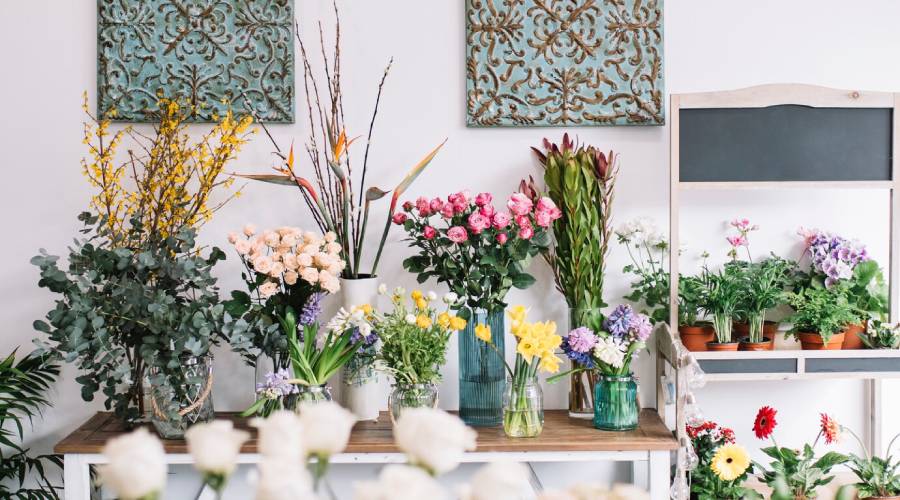
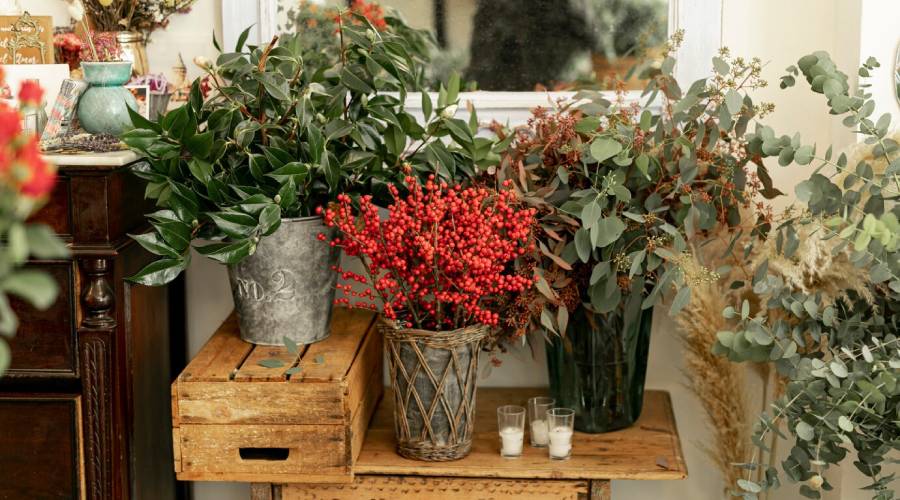
Visually highlighting locally-grown flowers with intentional design elements can reinforce your messaging. Use rustic, natural materials like wood crates, chalkboards, or repurposed farm elements to create a narrative-driven display.
Group flowers by farm, with signage that shares facts about the grower and their practices. Use interactive elements—like small tags customers can take home with grower info or care tips—to enhance the buying experience.
And don’t underestimate the importance of infrastructure. Your choice of floral display stands is critical. These fixtures not only organize products but also elevate their presentation, inviting customer engagement and guiding flow through your store.
Collaborate with local growers for in-store events, bouquet-making workshops, or seasonal pop-up shops. These experiences transform your retail space into a hub of community activity, driving both foot traffic and local goodwill.
Hyperlocal and Transparency-Driven Merchandising
Retailers across industries are embracing “hyperlocal” merchandising—stocking goods sourced within a defined geographic radius to reflect local tastes and reduce environmental impact. This trend also aligns with a broader move toward traceability in retail, where consumers expect to know exactly where their products come from and how they were made.
Integrate digital signage that dynamically updates with information about flower origins, seasonal availability, and grower profiles. Augmented reality (AR) overlays are also being tested in flagship stores to let customers scan flowers and see immersive content.
A Blooming Opportunity for Retail Strategy
Highlighting locally-grown flowers isn’t just about promoting pretty petals—it’s a strategic initiative that aligns with modern values around sustainability, transparency, and community connection. By combining effective storytelling, intentional flower display tactics, and partnerships with local growers, retailers can elevate the shopping experience while reinforcing brand trust.
For executives looking to build a more resilient and value-driven supply chain, investing in local floral sourcing is a small step with powerful returns.