In the competitive landscape of the restaurant industry, creating a unique and memorable brand identity is paramount. With so many dining options available, restaurants must go beyond just offering great food to stand out.
One effective way to make a lasting impression is through the thoughtful use of art and decor. Art has the power to convey a restaurant’s personality, engage customers emotionally, and even encourage social media sharing, helping to amplify the brand’s reach and visibility.
The right combination of visual elements can transform a dining space into an immersive experience that speaks to the brand’s ethos, resonates with its target audience, and strengthens customer loyalty. From wall murals to carefully selected furniture, the decor can tell a story, evoke emotions, and shape the atmosphere of the restaurant.
This article will explore how restaurant owners and executives can leverage art and decor to build a strong brand identity and engage customers in innovative ways.
Reflecting Brand Personality Through Design
Art and decor are not just decorative elements, they are powerful tools for storytelling. A restaurant’s interior design should reflect the essence of its brand.
The way a restaurant chooses to decorate its space sends a clear message about its personality, culture, and values. Whether it’s minimalist, bohemian, rustic, or modern, the design should create an atmosphere that aligns with the brand’s vision.
For example, a fine-dining restaurant focused on high-end, sophisticated experiences might incorporate luxurious materials like velvet, polished wood, and classical art pieces to evoke an elegant atmosphere. On the other hand, a casual bistro or a modern eatery may use colorful, quirky art, industrial design elements, and open spaces to create a more laid-back and trendy environment.
Consider the restaurant Fonda in London, which embraces vibrant Mexican aesthetics through its use of bold, colorful artwork and artisan-crafted furniture. The decor at Fonda is not just an afterthought—it’s a deliberate design choice that mirrors the restaurant’s identity and enhances the dining experience. The murals and vibrant furniture draw customers into a world of Mexican heritage, making them feel connected to the culture and the food.
Best practices for reflecting brand identity:
- Consistency: one of the most crucial elements in restaurant design is consistency. Every piece of artwork, every design choice should align with the brand’s personality. For example, a farm-to-table restaurant may use reclaimed wood and vintage kitchenware to emphasize sustainability and connection to nature.
- Authenticity: incorporating local or culturally relevant art into the decor can foster a sense of community and make the restaurant feel more authentic. Local artists or regional artwork can make the space feel grounded in the area’s heritage.
- Storytelling: every restaurant has a unique story to tell—whether it’s the history behind the food or the founders’ vision. Using decor to visually narrate this story can create a deeper connection with guests. For instance, a seafood restaurant might decorate its space with nautical-themed elements, such as fishing nets or coastal-inspired artwork.
Engaging Customers Emotionally
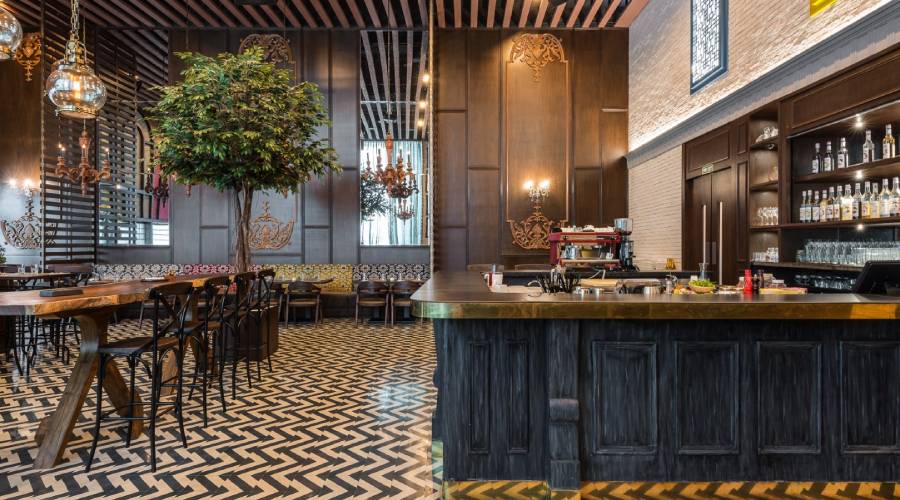
Emotional engagement is a powerful driver of customer loyalty. People don’t just remember good food, they remember how they felt when they dined at a restaurant.
The atmosphere plays a critical role in creating those emotional connections. Design elements like color, lighting, and textures can enhance the dining experience by evoking specific emotions.
A great example of emotional engagement through design can be found at Elm Street Diner in Norwalk, Connecticut. The diner features a vibrant mural inspired by its signature dishes, transforming the space into an engaging, visually dynamic environment.
The mural serves as both a functional art piece and a conversation starter, encouraging customers to interact with their surroundings and share their experiences on social media. The immersive design helps create a positive emotional experience that customers are likely to remember and talk about.
Strategies for emotional engagement:
- Interactive art: Interactive art elements, like writable walls, chalkboard menus, or photo-worthy installations, encourage customers to engage with the space. For example, restaurants can create “selfie walls” or murals that invite customers to take photos, enhancing their sense of involvement in the dining experience.
- Sensory elements: Art doesn’t just appeal to the eyes—it can engage all the senses. Consider how the textures of the furniture, the scent of freshly baked bread, or even the sound of ambient music can complement the visual elements in a space. A multi-sensory experience strengthens the emotional connection guests have with the restaurant.
- Personalization: Offering customers a chance to contribute to the decor fosters a deeper connection. Whether it’s leaving a message on a community wall or having a small part of the decor designed with customers’ input, personalization can make guests feel more involved and emotionally connected to the space.
Encouraging social Sharing
In today’s digital age, the importance of creating Instagrammable spaces cannot be overstated. Consumers are increasingly sharing their experiences on social media, and restaurants can benefit from this organic promotion.
A visually appealing space is more likely to be photographed and shared, which can boost the restaurant’s exposure and attract new customers. Restaurants that incorporate eye-catching artwork or decor often see an increase in social media engagement. Sketch, a restaurant in London, is a prime example.
The restaurant’s monochrome interiors, which feature contemporary art pieces, have become famous for their Instagram-worthy appeal. Customers flock to the restaurant not only for the food but also to capture photos of its unique and visually captivating design.
Tips for creating shareable moments:
- Unique installations: Install artwork or decor pieces that stand out and are visually striking. For example, a restaurant might feature a giant mural, a statement chandelier, or an unexpected sculpture that makes guests want to share their experience.
- Lighting: Lighting can significantly enhance the aesthetic of a space, especially for social media photography. Soft, warm lighting can create a cozy atmosphere, while bold, colorful lights can add a dramatic flair. Ensure that your lighting highlights key design elements.
- Hashtags and promotions: Encourage customers to share their photos by promoting specific hashtags. For instance, restaurants can offer discounts or freebies to customers who post photos with a particular hashtag. This not only incentivizes customers to engage with the brand but also helps the restaurant track and share user-generated content.
Integrating Functional Decor
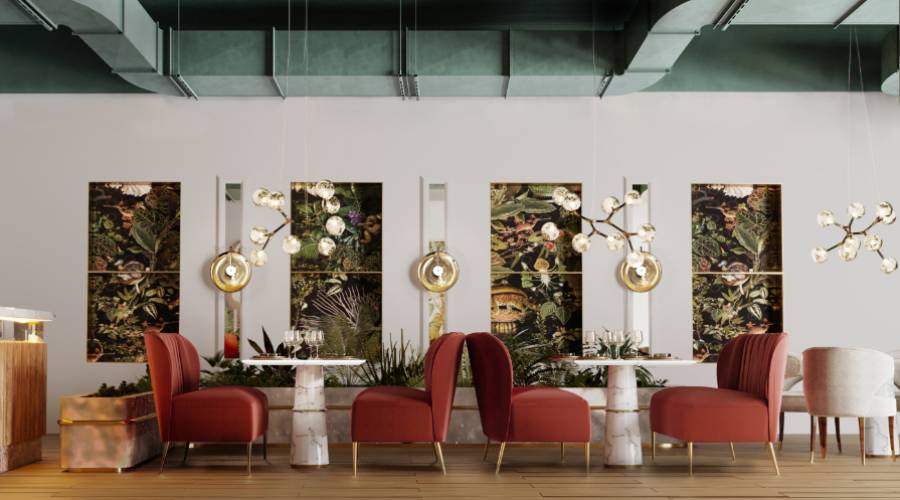
While aesthetics are essential in creating a visually appealing environment, it’s crucial not to overlook the functional aspects of decor. Effective design should not just be about looks, it should also serve a practical purpose.
For instance, furniture should be comfortable and durable, while decor should be easy to maintain and practical for the space. One example of functional decor is the use of display stands for flowers. These decorative yet practical stands can enhance the restaurant’s ambiance by introducing natural elements into the space, while also serving as functional fixtures for floral arrangements.
A flower display can soften a room’s look and create a welcoming atmosphere, while also adding a pop of color and life to the space. For more information on integrating functional decor, you can explore display stands for flowers.
Considerations for functional decor:
- Space utilization: Ensure that your decor complements the layout of the restaurant and doesn’t obstruct movement or make the space feel cramped. An open, flowing design can create a more relaxed atmosphere and improve the customer experience.
- Maintenance: Choose materials and design elements that are easy to maintain and clean. Restaurants are high-traffic environments, so durability and ease of upkeep are key considerations when selecting decor.
- Versatility: Opt for decor that can be easily updated or changed according to seasons, holidays, or events. For instance, floral displays can change with the seasons, or artwork can be swapped to reflect special promotions or themes.
Staying Ahead with Design Trends
Restaurant design is ever-evolving, and staying ahead of the trends can help ensure that your space remains fresh, inviting, and relevant. In 2025, emerging trends include biophilic design, the use of sustainable materials, and eclectic color schemes.
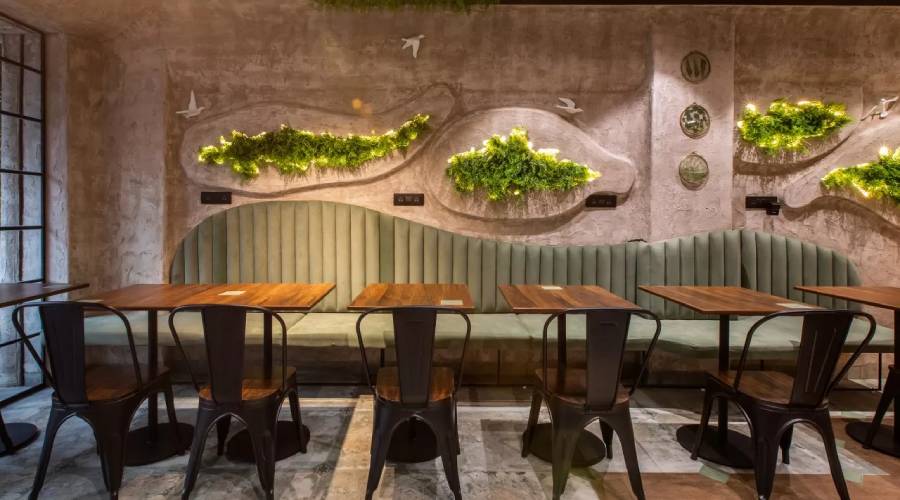
These trends reflect a broader shift toward more natural, environmentally-conscious, and bold design choices in the hospitality industry. Biophilic design, which focuses on incorporating natural elements like plants, wood, and stone into interior spaces, has been gaining popularity.
This approach helps create a sense of tranquility and connection with nature, which is especially important in urban environments. Similarly, sustainable materials—such as recycled or upcycled furniture—are becoming more common as restaurants focus on eco-friendly practices.
Implementing trendy design elements:
- Natural materials: Incorporate natural materials like wood, stone, and plants to bring an earthy feel to the space. These materials not only promote sustainability but also create a relaxing, organic atmosphere.
- Sustainable practices: Consider using upcycled or eco-friendly furniture, decor, and materials to appeal to eco-conscious consumers. Restaurants that embrace sustainability will attract customers who prioritize environmental responsibility.
- Bold color palettes: Vibrant, eclectic color schemes are becoming increasingly popular in restaurant design. Consider experimenting with bold hues that make the space feel dynamic and engaging, while also enhancing the overall brand identity.
Creating Brand Identity Through Art and Decor
In today’s competitive restaurant industry, leveraging art and decor is an essential part of creating a memorable brand identity. By strategically selecting and positioning artwork and design elements, restaurant owners can reflect their brand’s personality, engage customers emotionally, and encourage social media sharing.
Functional and trendy decor choices can further elevate the dining experience, helping to strengthen the restaurant’s appeal and market position. Ultimately, the goal is to create a space that resonates with guests, enhances their experience, and leaves a lasting impression. By carefully integrating art and decor, restaurants can foster a sense of connection with their customers, build loyalty, and set themselves apart from the competition.