
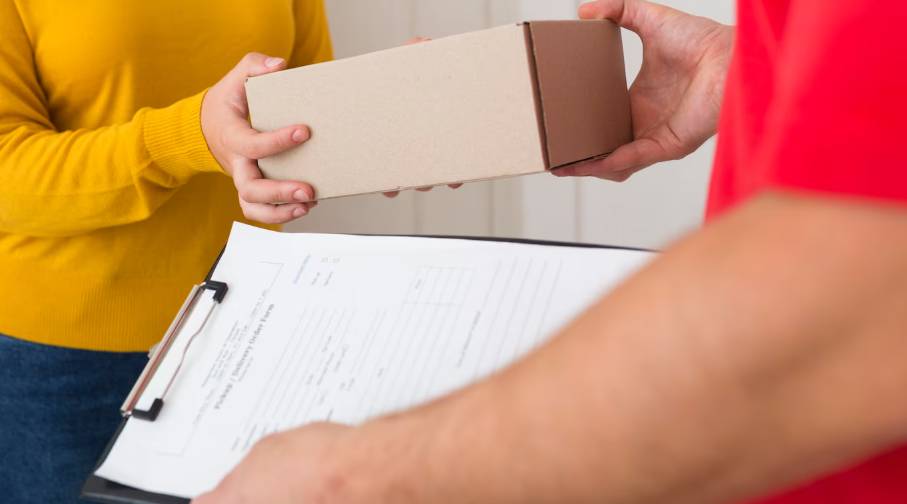
In today’s competitive landscape, retail and manufacturing executives are under constant pressure to optimize operations while delivering exceptional customer lightweight packaging experiences. One area often overlooked in cost-cutting strategies is packaging.
Traditional packaging materials can be bulky, expensive, and unsustainable. However, innovative lightweight packaging offers a powerful opportunity to reduce shipping expenses, lower carbon footprints, and improve operational efficiency without compromising product protection.
With rising fuel costs and growing consumer demand for eco-friendly products, packaging decisions have become more strategic than ever. Lightweight packaging not only cuts transport weight and related costs but also enhances brand perception, speeds up warehouse handling, and aligns with ESG goals.
This article will explore lightweight alternatives like molded pulp and thin corrugate, present real-world case studies, and examine how advanced technologies and merchandising strategies are reshaping packaging practices.
Molded Pulp – Sustainable, Lightweight, and Protective
Molded pulp, also known as molded fiber, is crafted from recycled paper, cardboard, or natural fibers like bamboo and sugarcane. Pressed into custom shapes, it cradles products with both cushioning and structural support.
Its biodegradable and recyclable nature makes it a popular replacement for expanded polystyrene, plastic inserts, and foam. Molded pulp’s shock-absorbing properties are ideal for fragile items, and its form-fitting designs enhance stability while eliminating the need for additional filler materials.
Leading companies like Apple have used molded pulp trays to protect devices, reducing plastic usage and lowering packaging weight. In the wine and spirits sector, premium brands use molded pulp holders for bottles, combining sustainability with a premium look. Similarly, in the cosmetics and personal care industries, molded pulp packaging reflects a brand’s commitment to environmental responsibility while providing effective product protection.
Brands integrating molded pulp should work with suppliers who offer precise molding techniques to accommodate unique product shapes. Adding corrugate sleeves or wraps enhances aesthetic appeal and brand consistency. Custom coloring and embossing can also elevate unboxing experiences while maintaining sustainable values.
Thin Corrugate – Durable Yet Space-Saving
Thin corrugate, including micro-flute and nano-flute formats, offers a modern take on traditional corrugated cardboard. These materials retain the strength of classic corrugate but use significantly less material, reducing weight and bulk. As a result, thin corrugate enhances freight efficiency and fits neatly into the operational demands of e-commerce and retail environments.
The lighter profile of thin corrugate allows more products per pallet or truckload, improving logistics and reducing shipping-related emissions. Additionally, its surface supports high-quality printing, which is crucial for retail packaging that must attract consumer attention. Companies like Amazon have adopted thin corrugate solutions to reduce packaging size and shipping weight while maintaining content safety.
In the consumer packaged goods sector, brands use thin corrugate for display-ready packaging that supports fast restocking and clean shelf presentation. In home appliances, many manufacturers employ molded pulp interiors and thin corrugate exteriors to combine protection with reduced package mass.
To capitalize on thin corrugate, companies should invest in digital tools that simulate transportation stress. This ensures the selected flute grade meets shipping demands. Foldable structures and easy-open features can further improve efficiency, while QR codes or smart labels enhance engagement without adding physical weight.
Align Packaging with Private Label Strategies
Packaging plays a vital role in shaping customer perception and enhancing private label appeal. For retailers growing their private label portfolios, packaging becomes more than protection—it becomes a tool for storytelling and shelf differentiation. As private labels gain traction due to strong margins and branding flexibility, packaging choices must be aligned with strategic goals.
Lightweight materials like molded pulp and thin corrugate fit seamlessly into private label development. These materials can support premium branding with eco-conscious messaging, all while keeping production and logistics costs manageable. Well-designed lightweight packaging can stand out on shelves and communicate quality, responsibility, and value.
Efficient use of shelf space is another benefit of slimmer packaging formats. By fitting more units per display area, brands can streamline planograms and reduce restocking needs. Additionally, environmentally savvy consumers, particularly Millennials and Gen Z, respond positively to sustainable packaging. Adopting lightweight, recyclable materials can strengthen their loyalty. For a closer look at how packaging supports private label growth, explore our full article on strategies for merchandising.
AI and Digital Twins in Packaging Design
Advancements in technology are revolutionizing packaging design. Artificial intelligence and digital twins are enabling companies to make data-driven decisions earlier in the development process, reducing waste and enhancing performance.
Digital twins are virtual replicas of packaging systems that simulate real-world conditions, such as vibration, humidity, and pressure. These simulations help packaging engineers predict how materials will behave in transit, eliminating the need for multiple physical prototypes and reducing development cycles. The ability to anticipate failures or inefficiencies before production creates significant time and cost savings.
Artificial intelligence enhances this process by analyzing large datasets to determine optimal packaging configurations. AI considers product dimensions, fragility, and shipping routes to suggest the most effective material choices and structures. This level of insight enables companies to fine-tune their designs with greater precision, supporting both cost and sustainability goals.
These tools are already in use by global brands. CPG companies employ digital twins to validate packaging across multiple distribution channels. Logistics firms use AI insights to adapt packaging based on regional transit variables. Meanwhile, startups focused on eco-design offer AI-powered platforms that recommend sustainable packaging solutions tailored to specific business needs.
The Sustainability Advantage
Sustainability has become a business imperative. Lightweight packaging contributes directly to corporate environmental goals by reducing material usage, lowering emissions in shipping, and increasing recyclability. As governments introduce more aggressive environmental legislation and consumers demand greener options, companies must be proactive about packaging sustainability.
Regulations such as Extended Producer Responsibility require companies to take accountability for their packaging’s entire lifecycle. Carbon disclosure rules now include Scope 3 emissions, which involve transportation and packaging. Additionally, major retailers are demanding compliance with sustainability standards from their suppliers, making eco-friendly packaging not only responsible but necessary for business continuity.
To meet these expectations, companies should prioritize materials certified as recyclable or compostable. Clear labeling of environmental attributes builds trust with consumers. Engaging third-party audits ensures credibility and prepares companies for regulatory scrutiny. Ultimately, a sustainable packaging approach enhances brand equity while safeguarding the environment.
A Strategic Shift
Lightweight packaging is more than a cost-saving measure—it’s a strategic investment in the future of your supply chain, brand, and environmental responsibility. For retail and manufacturing executives, adopting materials like molded pulp and thin corrugate can lead to measurable improvements in efficiency, customer satisfaction, and sustainability performance.
Although useful article for you: Quick and Easy Store Layout Changes
This is the moment to reevaluate your packaging strategy. By embracing modern materials and digital design tools, you can gain a competitive edge, reduce risk, and align with evolving market expectations. The future of packaging is lighter, smarter, and more impactful. Leading companies are already making the shift. Will yours be next?