
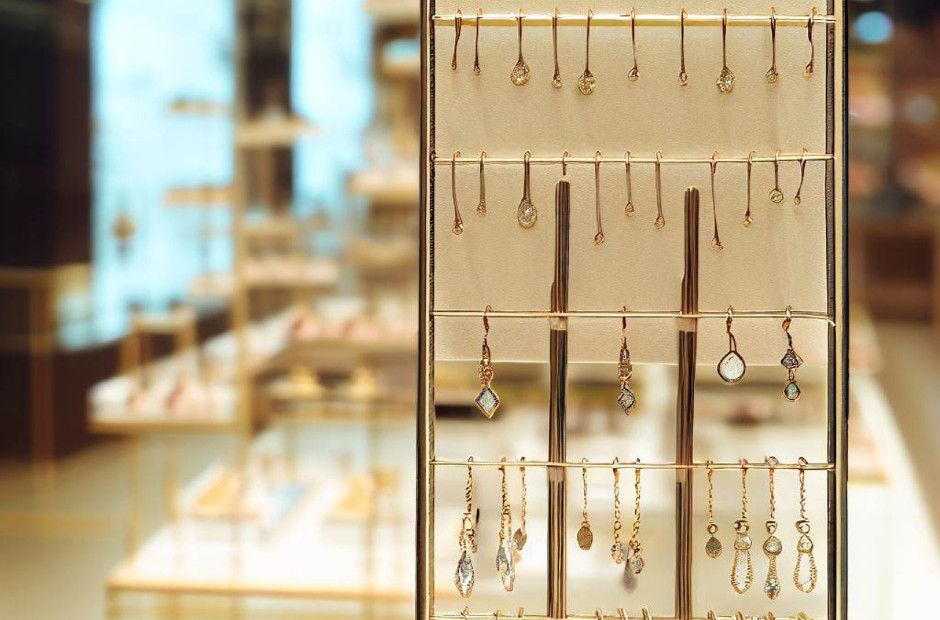
The art of catching a consumer’s eye is often just as crucial as the quality of the products being sold. The metal display stands holding these products carry immense significance in this setting.
This blog post will explore how metal display stands revolutionize retail displays, enhancing durability, aesthetics, and the potential for truly innovative designs.
The role of Durability
The constant wear and tear of retail environments—be it supermarkets, fashion boutiques, or tech stores—require display stands that are robust and durable.
Durability isn’t just about a stand lasting for a long time. It’s about maintaining its appearance and functionality over time, effectively serving its purpose of showcasing products.
● Steel: Known for its high tensile strength, steel stands are perfect for holding heavy products like electronics or machinery. They’re also highly resistant to physical impacts.
● Aluminum: Though lighter than steel, aluminum is corrosion-resistant, making it ideal for food displays or retail settings where moisture could be a concern.
Apple Stores often utilize sleek, brushed metal display stands to elevate their high-end tech products. It aligns with their brand aesthetic while also offering durability.
The Aesthetics
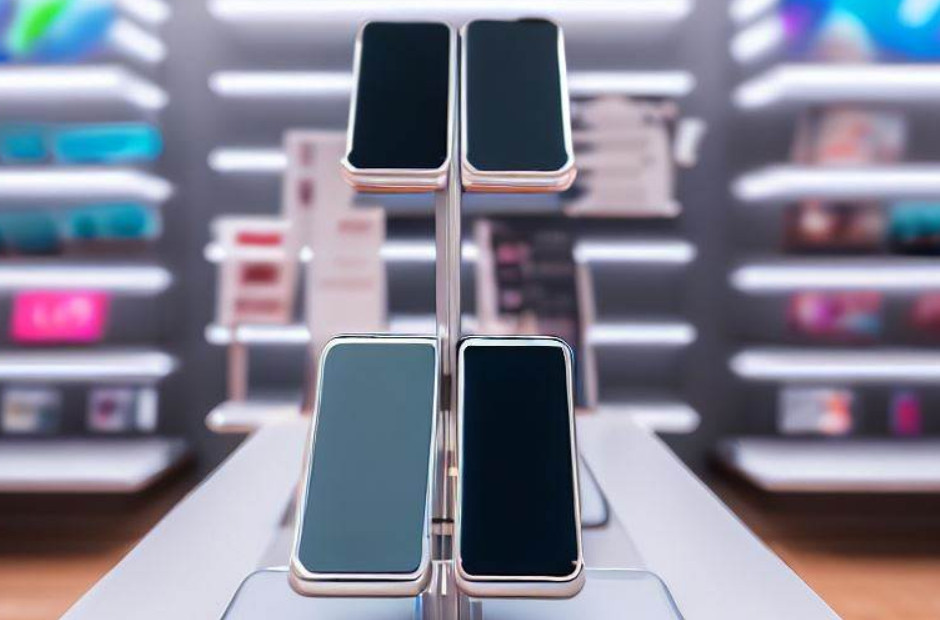
A customer makes a subconscious judgment within 90 seconds of interacting with a product. Between 62% and 90% of that judgment is based on color alone. Hence, the material and finish of a display stand can greatly influence customer perception.
● Stainless Steel: Known for its modern and industrial look, stainless steel can lend a contemporary edge to your retail display.
● Copper and Brass: While not as robust as steel or aluminum, these metals offer a unique, warm aesthetic that can be particularly appealing in boutique or artisanal settings.
High-end fashion brands like Gucci and Louis Vuitton often use gold-finished steel stands to showcase their luxury products, elevating the customer’s sensory experience. It’s also common for high-end stores to use plinth stands to create a luxury experience.
design Innovation
Today’s retail landscape demands not just durability and aesthetics. But also flexibility and innovation in design. Metals provide versatility. It allows for intricate designs, modular setups, and easy customization.
● Aluminum’s Lightweight Advantage: Aluminum allows for more intricate and complex designs, which can be an eye-catching feature in any retail space.
● Steel’s Structural Integrity: Steel’s strength and durability make it ideal for multi-tiered display structures, creating more vertical retail space and an interactive customer experience.
IKEA uses a combination of steel and aluminum in their warehouse-like setup. It allows durable storage racks and eye-level product showcases that customers can easily navigate.
Sustainable choices
In an age where customers are increasingly scrutinizing the environmental impact of their choices, retail stores must also reflect this concern.
Incorporating sustainable practices in your retail operations isn’t just a moral imperative. It’s often a commercial one. Studies indicate that consumers are willing to pay more for sustainable products and are more likely to be loyal to brands that share the same values.
● Aluminum: Highly recyclable and corrosion-resistant, aluminum stands out as a more eco-friendly option. Its lightweight nature also reduces transportation emissions. It further minimizes its carbon footprint.
● Steel: While durable and long-lasting, steel’s production process is energy-intensive and emits significant carbon dioxide. However, advancements in ‘green steel’ are offering more sustainable options.
Many health food stores are turning to aluminum display stands because they align with the brand’s commitment to sustainability. They are durable and visually appealing. Additionally, they are also recyclable, providing a full-circle environmental benefit.
Cost Considerations
It’s important to consider sustainability and durability. However, retail managers must recognize the financial aspect of choosing metal display stands. High upfront costs may deter some. However, looking at these expenses as an investment that yields returns in durability, customer engagement, and brand image is essential.
● Aluminum: While aluminum stands are generally more expensive, they often provide better long-term value due to their longevity and minimal maintenance requirements.
● Steel: Initially less expensive but may incur more long-term costs in maintenance, especially if not properly treated against corrosion.
A boutique electronics store may initially balk at the higher cost of aluminum displays. However, when considering the longevity and lower maintenance costs, the total cost of ownership could be lower than opting for cheaper but less durable materials.
Conclusion
For our audience at Vendink.com, we’ve delved into the many facets that make metal stands a compelling choice for retail managers. We’ve established that metals like aluminum and steel are not just a matter of aesthetics or durability. They also play a role in your brand’s broader strategy involving sustainability and cost.
By evaluating these factors carefully, you can make informed decisions beyond just the appearance, contributing to a more robust and sustainable retail operation. Staying ahead of trends while making responsible choices could be your ticket to long-lasting success.