
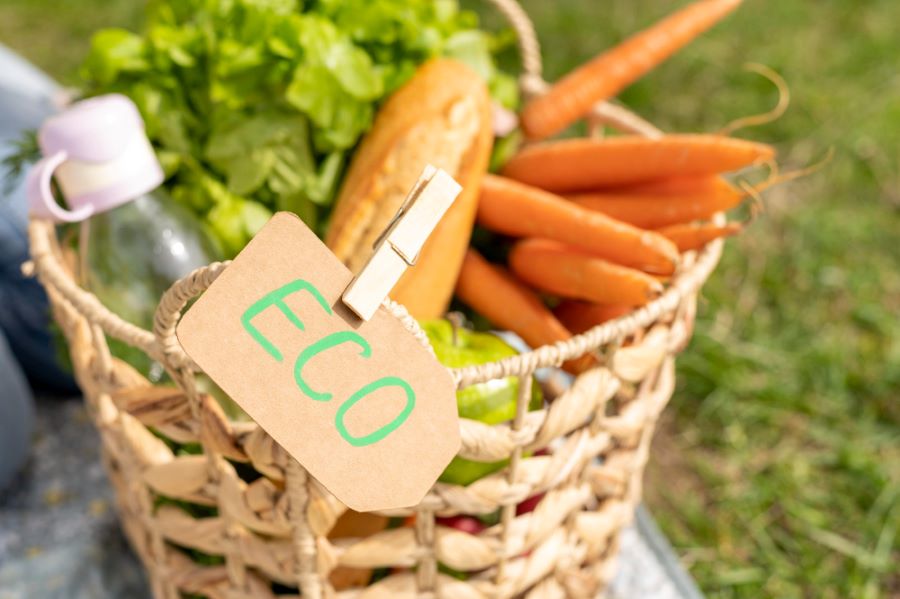
Understanding the organic food journey from farm to fork is crucial in a world where conscious consumption and sustainable living are the norm. Whether you are an agribusiness or a manufacturing entrepreneur, you are not only growing or producing food but also cultivating people’s lifestyle choices.
In this article, we will explore the supply chains involved in distributing organic food. We will examine how organic products get from the farm to the shelf. This will give an insight into why it is worth choosing organic products.
Cultivating environmentally friendly agriculture
Creating organic food starts with the basic principles of farming itself. Organic farmers are experts in environmentally friendly and sustainable practices that ensure clean, chemical-free, and nutrient-rich crops.
Using natural fertilizers such as compost and manure, crop rotation, and integrated pest management are vital aspects that contribute to biodiversity and soil health.
What is worth thinking about?
- Rotation techniques: Improving soil fertility and reducing pest infestation.
- Integrated pest management: Using natural predators and plant diversity to control pests.
- Sustainable soil management: Use of cut crops and compost to maintain soil health.
- Nutrient-rich plants: Understanding how organic farming methods can increase the nutrient content of produce.

From harvest to distribution
The journey of organic food from harvest to sale involves a careful process to preserve its organic quality. From harvest to packaging and transport, strict rules are followed to maintain the organic certification.
Here, we reveal the complex steps and sustainable methods involved in ensuring the freshness and quality of organic produce until it reaches the local market or the shelves.
What is worth thinking about?
- Packaging: Environmentally friendly and sustainable packaging used in the marketing of organic products.
- Transport logistics: Emphasis on carbon reduction and efficient distribution chains.
- Certification and labeling: Understanding the organic certification process and the labels that guarantee compliance.
- Storage methods: Preserving freshness and nutritional value through proper storage methods.
Consumer choice
For consumers, choosing organic produce is not just a dietary choice, but a conscious decision that supports sustainable farming practices and offers many benefits. From personal health benefits to reducing environmental impact, choosing organic products is a step towards a healthier lifestyle and a better environment.
Here we highlight the key benefits that make organic food an attractive and valuable choice for consumers.
What is worth thinking about?
- Boosting health: Studies showing lower pesticide levels and higher nutrient content in organic food.
- Environmental impact: Organic farming methods contribute to biodiversity and soil conservation.
- Supporting the local economy: Promoting local organic producers and their contribution to society.
- Consumer awareness: Educating and raising awareness so that consumers can make informed choices.

Trends in organic farming
Keeping up with industry trends is essential for sustainable growth and innovation. The organic food sector is evolving, with new technologies and techniques emerging to meet consumer demands and address environmental challenges.
Recently, regenerative agriculture, which involves more and more thinking about preserving ecosystems, has been increasingly explored and updated. New technologies are also increasingly entering agriculture.
Artificial intelligence incorporating data analytics for more precise farming is coming to the fore. Alternative farming methods such as hydroponics, vertical farming, and other innovative approaches are becoming increasingly popular. We are also thinking about a sustainable future for agriculture.
Conclusion
The journey of organic food from farm to fork is not just a story about nutrition. It is a story about responsibility, commitment, ethics, and sustainability.
By understanding the complex journey and the value of organic choices, we, as entrepreneurs in agriculture or manufacturing, can steer our businesses toward a greener and more conscious future.
Check out these posts too:
- WHICH AGRICULTURAL COMMODITIES ARE IN DEMAND IN DUBAI?
- PRACTISE SUSTAINABILITY IN BAKERY WITH WOODEN CRATE DISPLAY STANDS
Let’s support environmentally friendly agriculture, adopt sustainable practices, and foster a society that thrives on organic food. For a vibrant future cultivated through organic choices!