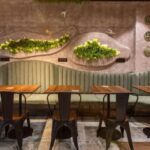

One of the most famous brands in the world, McDonald’s, has managed to create a global presence that few can match. With outlets in over 100 countries, McDonald’s serves millions of customers daily. However, it’s not just the menu that changes according to regional preferences. McDonald’s restaurant layout and design are tailored to each location’s cultural norms and customer behaviors.
In this blog post, we will explore how McDonald’s adapts its restaurant layouts in different regions. We will be discussing the factors influencing these decisions and presenting some unique examples from various countries.
Adapting to local tastes and cultural norms
The secret to McDonald’s global success lies in its ability to adapt to local tastes. Not only in its food but also in its store layouts. The brand ensures that its restaurants resonate with the local community and cultural norms.
● Cultural Sensitivity. McDonald’s designs its restaurants to respect and reflect the culture of the country it’s in. It ranges from architecture that blends with the local surroundings to interior design elements that reflect local art and traditions.
● Customer Behavior. McDonald’s restaurant layouts often consider regional customer behaviors. For example, when dining out is more of a social experience, McDonald’s might prioritize seating areas and create a more relaxed atmosphere.
unique designs for restaurant layout

McDonald’s restaurants across the globe boast unique design elements that showcase the brand’s adaptability. Here are a few examples:
● France. McDonald’s embraces a more upscale café culture in France. Many outlets feature modern décor and comfortable seating, serving macarons and other local pastries alongside the usual menu.
● India. McDonald’s in India often has larger family seating areas, acknowledging the local tradition of dining out as a family. The décor often incorporates bright colors and Indian design elements.
● China. Chinese McDonald’s outlets sometimes incorporate elements of Feng Shui into their designs. The restaurants often have a sleek, modern look, aligning with the rapid modernization of Chinese cities.
Lessons in Adapting Retail Spaces
McDonald’s global adaptability provides valuable insights for retail professionals.
● Localize Your Offering. The ability to adapt to local tastes and cultural norms can set your retail store apart and help you build a strong bond with the local community.
● Understand Customer Behavior. How customers interact with your retail space and adapt your layout to meet their needs and preferences.
● Stay True to Your Brand. While adapting to local preferences, it’s important to maintain brand consistency. McDonald’s manages to localize its restaurants while ensuring its brand is immediately recognizable.
In conclusion
McDonald’s has shown that global success in retail means something other than offering a one-size-fits-all approach. Instead, understanding and adapting to local tastes and behaviors can help create a customer experience that feels both globally familiar and locally tailored.
At Vendink.com, this blend of global strategy and local adaptability can offer useful lessons for retail professionals looking to optimize store performance. Explore more insights and advice on our blog, and find strategies to help your retail business thrive in any market.
Check out our other useful articles such as: