
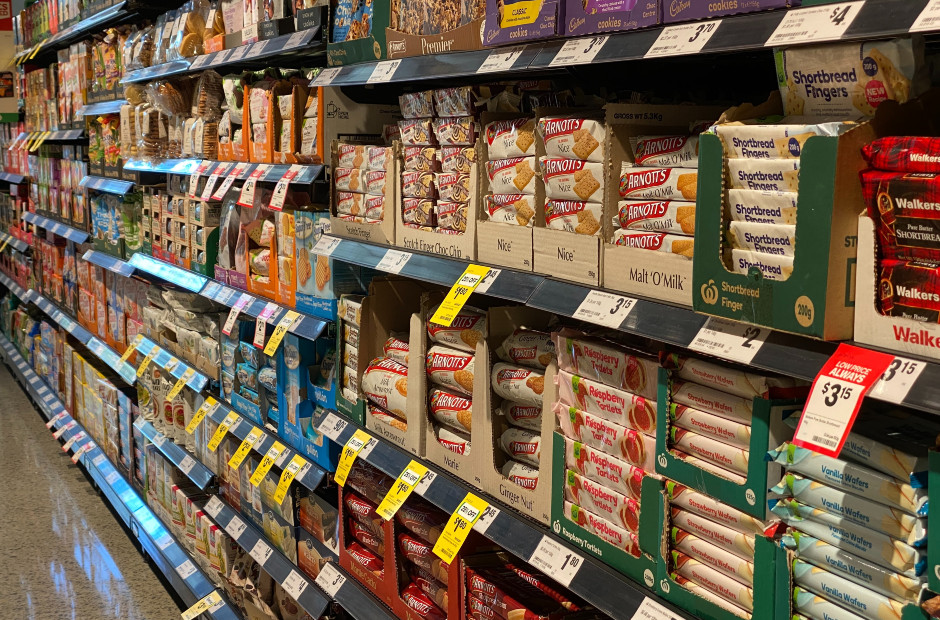
Private labels, once a mere afterthought in the sprawling aisles of supermarkets, have carved a unique space for themselves. This transformation has occurred over time. It’s a consequence of retail strategies harmonizing with shifting consumer perceptions. Understanding the nuances of merchandising private label brands in this modern retail paradigm can offer retailers a competitive edge.
Let’s embark on this insightful journey, diving deeper into strategies that elevate the private label experience.
The rise of Private Labels

The ascent of private labels isn’t solely a consequence of strategic push but also of evolving consumer pull. Modern shoppers are more discerning and look beyond just brand names. They seek quality, value, and, often, exclusivity.
A new vision for private label:
● Evolving consumer perception: The past decade has seen a shift from viewing private labels as merely ‘cheaper alternatives’ to recognizing them as quality-driven, value-propositioned brands in their own right.
● Retailer’s perspective: For retailers, private labels translate to better control over product quality, pricing, and profit margins. It’s a chance to craft a unique selling proposition in a highly competitive market.
Example: Costco’s Kirkland Signature has become a household name. What began as a store brand now competes shoulder to shoulder with established national brands, offering products that range from organic food items to clothing.
Promoting store brands
Every inch in the shop is important and valuable. Each shelf, each corner has a role to play. Optimizing product placement in retail shelving and display stands can significantly influence its sales trajectory.
Key places to promote products:
● Endcap Displays: These high-visibility spots, positioned at the end of aisles, are perfect for showcasing new product launches or limited-time offers. It’s a strategic way to entice and introduce consumers to the private label range.
● Eye-level is buy-level: A mantra in retail, products placed at eye level are more likely to be noticed and picked up. This prime space should be reserved for top-selling items or products the retailer wants to push. Learn how visual merchandising impacts customers.
Example: Grocery store chain Trader Joe’s exemplifies placement perfection. Their private labels occupy prime shelf space and are interspersed with national brands. It allows them to stand out and yet be a part of the larger product narrative.
Packaging for boosting sales
In private label brands, the packaging does more than contain. It communicates. It’s the first interaction point between the brand and the consumer.
Things to consider about packaging:
● Distinct branding: The design should allow a customer to recognize the store’s brand right away. Consistency in logo placement, color schemes, and typography aids recall.
● Quality imagery and graphics: The packaging should exude the product’s quality. High-resolution images, quality print, and tactile feedback can elevate the perception of the product inside.
● Transparency is trust: Consumers today are more conscious of their consumption. Mentioned ingredients, sourcing details, and benefits can foster trust and loyalty.
Example: Target’s “Good & Gather” line is a testament to the power of packaging. It blends simplicity with information, making it a hit with the modern consumer.
Balancing quality and Value
For many consumers, private labels mean value. However, this should maintain the quality perception.
Considerations regarding the price offer:
● Competitive pricing: Pricing private label brands slightly below national brands can emphasize their value proposition. However, this must not drastically deviate from the quality promise.
● Bundling and value packs: Offering products in bundles or value packs can drive sales. It also gives consumers a perception of getting more for less.
Example: Walmart’s “Great Value” brand balances affordability and quality. It underscores getting a superior product without the high price tag attached to national brands.
Case Studies
Aldi has flipped the script on private labeling. Their stores predominantly house private labels. By ensuring consistent quality, appealing packaging, and aggressive yet sensible pricing, Aldi has transformed its labels into the go-to choice for millions.
Amazon leveraged its vast troves of data to identify market gaps. Enter “Amazon Basics,” a private label that spans multiple categories. From electronics to home essentials. It’s a classic case of how understanding consumer needs and crafting products accordingly can spell success.
Conclusion
The narrative around private labels has transformed from them being the ‘choice’ to often being the ‘preferred choice.’ The success of private labels isn’t just a trend to observe but an opportunity to seize.
The strategies highlighted above aren’t mere pointers. They are pillars upon which the success of private labels stands. Embracing them can pave the path for a retail experience that’s not only profitable but also sustainable in the long run. Become a serious competitor in the retail world with Vendink.com.